Event Recap
TLISI 2026, held May 18–21, brought Georgetown educators together over four days to explore innovative teaching strategies, discuss ideas, and gather in community. A range of presentations, workshops, panels, and interactive activities on pressing topics in higher education created a dynamic program of 45 sessions, rounded out by invited speakers and a special celebration of the 25th anniversary of CNDLS. Building upon the success of last year’s panel and tour of our Capitol Campus, programming was expanded to a full day downtown at 125 E Street NW. We are grateful to the faculty, staff, graduate students, and others who make TLISI—and Georgetown—a uniquely collaborative intellectual home.

Invited Speakers

Flower Darby, PH.D Candidate
Joyful Teaching in Every Class: Find Your Fizz to Boost Learning and Success
Joining us virtually to open the institute, Flower Darby, Associate Director of the Teaching for Learning Center at the University of Missouri, offered insights from her new book, The Joyful Online Teacher: Finding Our Fizz in Asynchronous Classes. Attendees left with a theoretical framework and practical, evidence-based strategies for promoting flourishing in the classroom and rediscovering the joy inherent in transformational teaching and learning.

Steven Mintz, PH.D
AI and the Future of Teaching: What These Tools Make Possible — and What Institutions Must Do
Steven Mintz presented practical ways to use AI to strengthen student learning. As a history professor at the University of Texas at Austin and a prominent voice in advancing more student-centered learning, Mintz proposed that AI can help restore rigor if higher education redesigns teaching around what this new tool makes possible.
Gholdy Muhammad, PH.D
Cultivating Genius and Joy in Education through Culturally and Historically Responsive Pedagogies
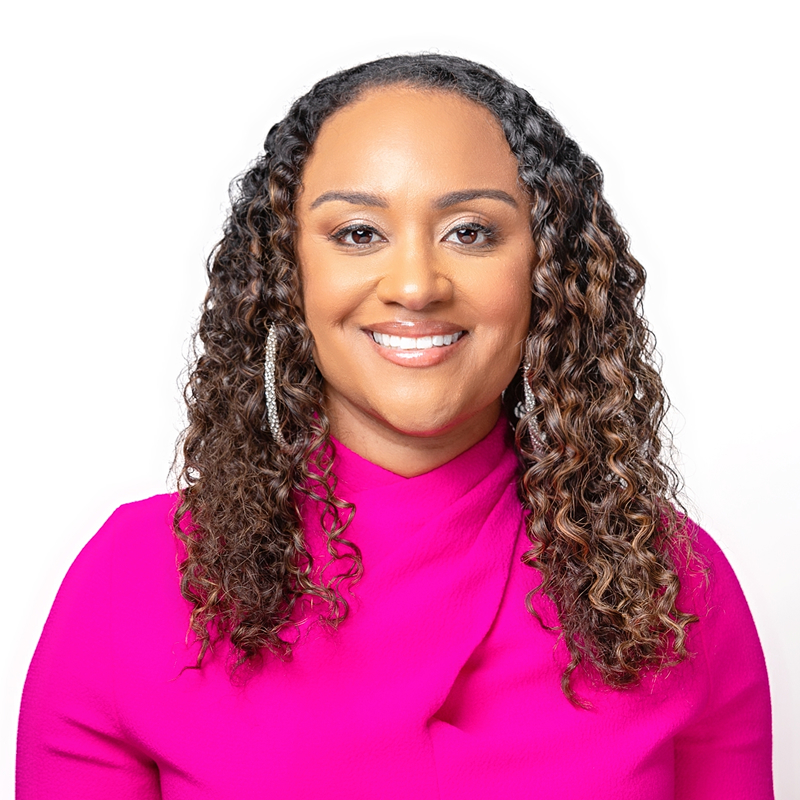
Gholdy Muhammad offered a culturally and historically responsive approach to cultivating genius and joy in education and presented her equity framework. Muhammad serves as the John Corbally Endowed Professor of Literacy, Language, and Culture at the University of Illinois at Chicago and has conducted extensive research on how culturally and historically responsive education accelerates the growth of all students, especially youth of color.
This workshop was not recorded.

Mark Fisher, PH.D
Matthew Hamilton, PH.D
Teaching Democracy in the Digital Age
In this interactive session, Mark Fisher and Matthew Hamilton asked what it means to teach democracy in the modern world of higher education. Fisher and Hamilton, who both serve on Georgetown University’s Initiative on Artificial Intelligence and Democratic Citizenship, encouraged participants to reflect on the evolving relationship between educating students about democracy and adopting a democratic approach to education, addressing topics such as the rise of university civic centers, the role of authority in the classroom, and the meaning of democratic expertise.
Popular Sessions



Artificial Intelligence & Teaching
Refusing and Critiquing GenAI Across the Curriculum: Five Possible Paths for Reclaiming the Enduring Value of Human Writing, Speaking, and Thinking
J Palmeri
Not Recorded
Faculty Showcase: The AI-Empowered Classroom
Molly Chehak, moderator. Panelists Ghayda Ali, Bryan McCann, Mafalda Cardoso-Botelho Peña
AI in Online Courses: Challenges and Opportunities
Anna Butsay, Laura March, Anya Medvedev
Hope, Joy and Empowerment
Implementing Joy-Centered Pedagogy in our Learning Spaces
Alice Bui, David Ebenbach, Calago Hipps, Nafisa Isa
Not Recorded
Empowering First-Gen Students to Prepare for Post-College Life
Aranza Obscura, Julio Orozco, Shree Whitaker Taylor, Sheila Walsh
Teaching Writing During War: Engelhard Pedagogy, Critical Hope and Community Building at Georgetown in Qatar
Ghada Alatrash, Mysti Rudd


Student Engagement and Real World
Exploring the Promise of Challenge Labs at Georgetown
Jonathan Healey, Randy Bass
The Attention Economy: Competing with TikTok in the Classroom
Zaria Khan
Not Recorded
From Georgetown to Career: Translating the GU Undergraduate Student Experiences
Susan Campbell, Matt Maples, Julio Orozco
Not Recorded
Attendance
383 faculty, staff, graduate student instructors, and guests from neighboring institutions attended TLISI in person and participated virtually throughout the week.

Overall
109
total university departments were represented at TLISI.
60
departments were represented by faculty attendees at TLISI.
Modality
“This was my first year at TLISI, and it was one of the most valuable professional development (and conference) experiences I’ve had. I genuinely learned and felt engaged in each session I attended; it felt like the sessions were thoughtfully designed to be truly useful.”
Faculty Member
Survey Responses
Satisfaction
Percentage of faculty reporting that TLISI 2026…
96%
encouraged meaningful conversation around challenges in higher ed;
89%
increased my sense of shared educational purpose;
89%
gave me opportunities to build community with others;
85%
inspired me to make some changes in my courses.
Reasons for attending
CNDLS 25th Anniversary Celebration
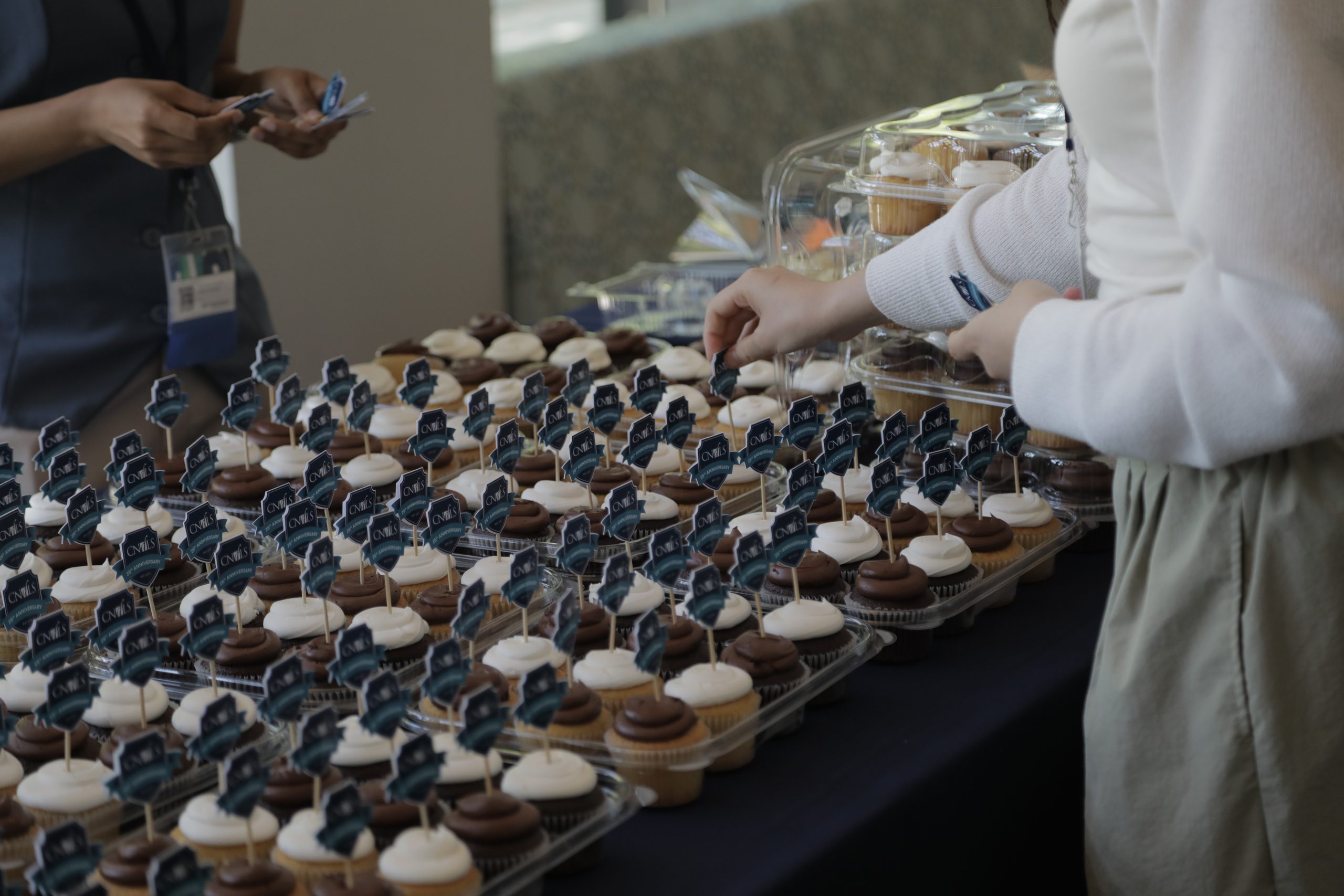
During the 2025-26 academic year, Georgetown University’s Center for New Designs in Learning and Scholarship marked 25 years of innovation in teaching and learning. We celebrated our anniversary with a special lunch on Wednesday, featuring remarks from Interim Provost Soyica Diggs Colbert and CNDLS Executive Director Eddie Maloney.
“The questions worth answering are almost never ones any of us could answer alone,” Maloney said, speaking to the applied innovation CNDLS has practiced for the last 25 years.
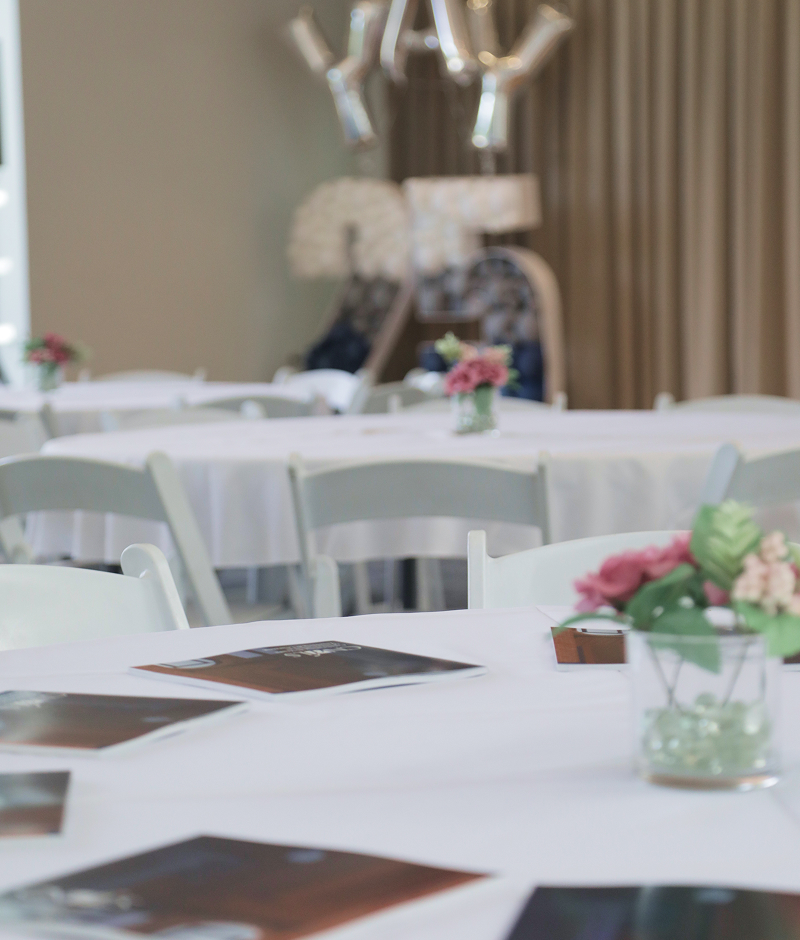
During the lunch, we released our 25th Anniversary Publication, which reflects on key moments, commitments, and partnerships over the last quarter century. The publication also includes a recorded conversation with Vice President for Strategic Education Initiatives and CNDLS Founder Randy Bass and Maloney on the origins of the center, an excerpt of which was shown at lunch. Attendees received print copies, and an online version is available on the CNDLS website. The whole celebration was made sweeter with speciality cupcakes and balloons.

“The questions worth answering are almost never ones any of us could answer alone.”
Eddie Maloney, CNDLS Executive Director



Productive Open Design Spaces
Productive Open Design Spaces (PODS) offers teams a design-sprint experience where they use design thinking approaches and strategies to tackle a curricular, course, or other educational challenge. Paired with a CNDLS coach, these teams ideate, iterate, create prototypes, and receive feedback that accelerates their thinking so that they leave with new perspectives and skills for moving forward.
The 2026 participating teams were:
▪ BSON Core Curriculum Redesign
▪ Crafting The Problem of the Human: Cura Personalis First Year Seminar
▪ Creating a One Georgetown Approach to Employer Relations
▪ Designing the First Fellows Senior Year Experience and Revising the Junior Year Curriculum
▪ District of Community: Establishing a Community-Centered, Co-Created, Responsive Learning Initiative
▪ Problem of God: Adjuncts Teaching Core Theology
▪ Race in Global Contexts Undergraduate Certificate
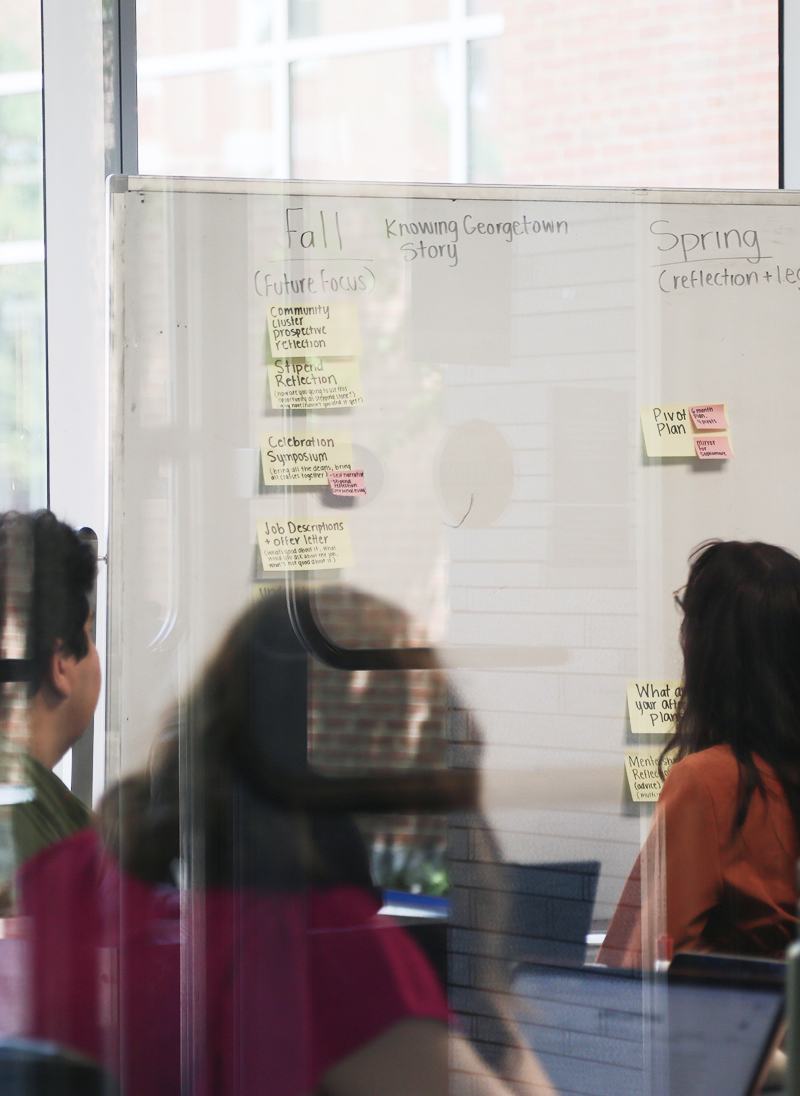
“PODS is consistently a great opportunity and experience. I look forward to it every year.”
Conference Attendee
Recorded Sessions
May 18, 2026
Joyful Teaching in Every Class: Find Your Fizz to Boost Learning and Success
Flower Darby, with Conference Welcome and Introduction by Maggie Debelius and Mindy McWilliams
Empowering First-Gen Students to Prepare for Post-College Life
Aranza Obscura, Julio Orozco, Shree Whitaker Taylor, Sheila Walsh
AI in Online Courses: Challenges and Opportunities
Anna Butsay, Laura March, Anya Medvedev
Data Services and Software in the Classroom
Abby Scheetz
Reach Back, Pull Forward: Mentorship as a Vehicle of Belief and How We Drive It Together
Donovan Forrest
Ella Csarnó

May 19, 2026
AI and the Future of Teaching: What These Tools Make
Possible — and What Institutions Must Do
Steven Mintz, with Introduction by Edward Maloney
Teaching “Race, Power, and Justice at Georgetown”
Adam Rothman, moderator. Panelists Desh Girod,
Caroline Efird
Research Design as Analytical Decision-Making: Teaching for Judgment When AI Is in the Room
Erin Hurley
Designing Classrooms for Conflict: Teaching Religion Under Conditions of Political Crisis
Sherie Gayle
Digital Research Innovation Program Panel
Steve Fernie, Anita Gonzalez, Amani Morrison, Kwuan Paruchabutr, Abby Scheetz
Faculty Showcase: The AI-Empowered Classroom
Molly Chehak, moderator. Panelists Ghayda Ali, Bryan McCann, Mafalda Cardoso-Botelho Peña
Science Communication in the Classroom
Emily Mendenhall, Cynthia Wei, Shauna Bennett, Theresa Sabonis-Helf, Rowan Ellis
Teaching Writing During War: Engelhard Pedagogy, Critical Hope and Community Building at Georgetown in Qatar
Ghada Alatrash, Mysti Rudd
May 20, 2026
Transformative Encounters: Research and Praxis from
In Your Shoes to Art of Care
Zhuqing Ding, Rabbi Rachel Gartner, Derek Goldman,
Raghad Makhlouf
Beyond Chatbots: Designing AI Learning Assistants that Guide Students Through Practice and Course Reading
Karen Kitching
Georgetown Students on AI: Insights from Focus Groups
Molly Chehak, Joe Drey
Lights, Camera, Georgetown: Utilizing the Art of Acting for Academic and Career Success
April E. Brassard
Reflective Intelligence in Practice
Jorhena Thomas, Jeremy Friedman, Yanice George, John Gray, John Mahr

May 21, 2026
Teaching Democracy in the Digital Age
Mark Fisher, Matthew Hamilton, with Introduction
by Randy Bass
Designing Motivating Learning Environments: Practical Strategies to Enhance Engagement, Performance, and Skill
Rachel Wilcox
Are We Ready for the “Undergraduate-Plus”? Recalibrating Campus for a Younger Graduate Cohort
Nico Hohman
Exploring the Promise of Challenge Labs at Georgetown
Randy Bass, Jonathan Healey
Teaching AI-Enabled Intelligence Analysis
Barry Zulauf
An Interactive Presentation/Conversation on Book and Article Publishing
Julie Lake, Carole Sargent, Heather Weger
TLISI 2026 was made possible by our co-sponsors & partners:
The CALL | Capitol Campus Event and Space Management | CETS | The Engelhard Project for Connecting Life and Learning | Experiential Learning Hub | Georgetown Humanities Initiative | Georgetown University in Qatar (GU-Q) | The Learning, Equity, Access, and Pedagogy (LEAP) Initiative | The Red House | Student Centers