Event Recap
Held from May 19 to 22, 2025, TLISI welcomed educators from across the University for four impactful days of learning, collaboration, and inspiration.
Throughout the week, participants engaged with some of the most pressing and exciting topics in higher education. Through thought-provoking keynotes, hands-on workshops, student and faculty panels, and lively roundtable discussions, attendees explored a variety of pedagogical approaches. They also actively contributed to pushing the boundaries in areas such as fostering inquiry and dialogue, leveraging AI in the classroom, designing impactful experiential learning opportunities, and promoting student well-being.
Amid the rapidly evolving landscape of higher education, TLISI affirmed that Georgetown University remains a vibrant, collaborative community dedicated to supporting students and faculty in the classroom and in life.

Plenaries and Keynotes

Ashley Finley, Ph.D
Jeremy Young, Ph.d
Elizabeth Foster, C’27
Exploring Faculty Perspectives on Academic Freedom and Civil Discourse
Panelists discussed academic freedom and civil discourse, highlighting findings from two surveys: a national study of faculty perspectives conducted by the American Association of Colleges and Universities (AAC&U) and a study of Georgetown student perspectives conducted on our campus. The conversation focused on faculty and student attitudes, institutional recommendations, and strategies for fostering dialogue.
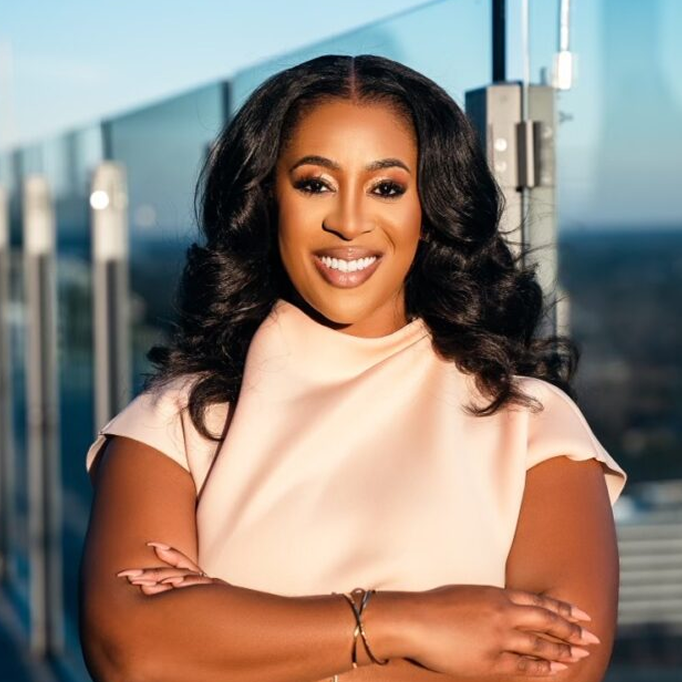
Ella Washington, Ph.D.
Fostering Inclusive Learning and Leadership in the Classroom in Uncertain Times
Dr. Ella Washington offered compelling insights into how educators and leaders can foster inclusive environments that nurture the success and development of all learners. She drew on her extensive research and experience coaching leaders across sectors to emphasize the necessity of embedding values of inclusivity and diversity into the core of educational institutions and organizations.
This workshop was not recorded.

Ananya Chakravarti, Ph.D
Meg Leta Jones, Ph.D
Nawar Shara, Ph.D
What is the Role of Artificial Intelligence (AI) in Education?
Panelists discussed the implications of AI in academic settings, offering a range of perspectives from advocacy to skepticism. The plenary grappled with questions around AI’s effect on the learning experience, ethical considerations in using AI-driven tools, and balancing technological advancements with human-centered learning principles.
This workshop was not recorded.

Soyica Diggs Colbert, Ph.D
Thomas DeLeire, Ph.D
Debora Dole, PhD, CNM, FACNM
Alexander Sens, Ph.D
The Role of Georgetown in a Shifting Global Landscape: A Conversation with GU Leaders about the State of Higher Education
Drawing from their experiences and fields of study, Georgetown leaders addressed the shifting dynamics and demands being put on higher education. The conversation also highlighted how Georgetown is leaning into its core values as a Jesuit institution to navigate these challenges.
This workshop was not recorded.
Popular Sessions



Artificial Intelligence & Teaching
How GU Faculty are Integrating AI in the Classroom
Jeanine Turner, Ghayda Ali, Clay Shields; moderated by Molly Chehak
AI & Research: Data Analysis
Ella Csarno and Abby Sheetz
Developing Your AI Policy and Syllabus Statement
Molly Chehak and Ella Csarno
Inquiry & Dialogue
Practicing Dialogue Across Difference
Elton Skendaj
Engaging Across Differences: Piloting the Doyle Dialogue Student Fellows Program
Joselyn Schultz Lewis, Rachel Gartner, Nick Scrimenti, Nafisa Isa, Toby Shu, Olivia Mason, Cosmo Salicone
“It’s Going to Come Up…” Designing Your Course for Dialogue, Difference, and Discomfort
Joselyn Schultz Lewis and Maggie Debelius
Not Recorded


Belonging & Well-being
Supporting International Students in the Classroom and Beyond
Stephanie Kim, Stephanie Gallop, Sharla Rivera, Heather Gregg Zitlau, Heather Weger
Not Recorded
A Journey Beyond Repair: An Ecosystem Approach to Transforming Trauma
Kate Woodsome, Mays Imad, Kendall Bryant
Fostering Belonging in the Online Classroom
Michelle Ohnona
Attendance
343 faculty, staff, graduate student instructors, and guests from neighboring institutions attended TLISI on our hilltop campus and participated virtually throughout the week.
40 CNDLS staff and graduate associates ran sessions, coached PODS teams, and staffed the event. Various session types and modalities, along with social gatherings, good food, and fun, enabled a range of participation.

Overall
212
total university units were represented at TLISI.
102
departments were represented by faculty attendees at TLISI.
Modality
“The TLISI sessions were thought-provoking and incredibly relevant to my teaching practice.”
Faculty Member
Survey Responses
Satisfaction
Percentage of faculty reporting that TLISI 2025…
95%
encouraged meaningful conversation around challenges in higher ed;
95%
enhanced my ability to do my job well at Georgetown;
93%
provided me with concrete, applicable information;
92%
helped me improve as an instructor.
Reasons for attending
Exploring Georgetown’s Capitol Campus
For the first time, TLISI held programming at Georgetown’s new Capitol Campus in downtown Washington, D.C. Attendees explored the power of place-based pedagogy and the rich possibilities of experiential learning in the city.
A thoughtful panel featuring faculty from across disciplines shared what it’s like to teach at the Capitol Campus. Assistant Dean of the School of Health Brian Floyd, Associate Teaching Professor in the Department of English Becca Tarsa, Director of the Race & Economic Empowerment Project at the Kalmanovitz Initiative for Labor and the Working Poor James Benton, and Distinguished Professor in the McCourt School of Public Policy James Habyarimana explored how they partner with local organizations and integrate D.C. into learning experiences.
The event continued with a tour of the new McCourt School of Public Policy building that showcased the building’s amenities, including a 400-seat auditorium, study and work spaces, dining options, and technology-enhanced classrooms. Attendees saw firsthand how the new facility will help faculty create engaging learning opportunities in the heart of the city.


“I found the Capitol Campus visit extremely helpful, especially as an admin who will be expanding my work to capitol campus.”
Capitol Campus Tour Attendee


Productive Open Design Spaces
Productive Open Design Spaces (PODS) offers teams from across the university the opportunity to ideate, iterate, and create together during the TLISI week. CNDLS coaches use a human-centered design approach to support teams in tackling curriculum, course, and program redesign. This year, 100% of PODS survey respondents said they were likely or very likely to recommend the experience.
The 2025 participating teams included:
▪ MS in Climate, Environment and Health
▪ Graduate Student Isolation and Community
▪ CSJ Ed Team Visioning
▪ Developing the First Fellows Junior Year Curriculum
▪ Program Evaluation in a Prison Education Context
▪ THRIVE – Total Hoya Readiness Intro to Vocation and Excellence
▪ iTHREADS: Transforming Health through Relationship-based Education and Digital Storytelling

Recorded Sessions
May 19, 2025
Exploring Faculty Perspectives on Academic Freedom and Civil Discourse Opening Panel
Maggie Debelius, Ashley Finley, Jeremy Young, Elizabeth Foster
Highlights of the Initiative: A Look into Students’ Perspective on Engelhard’s Impact
Bilquisu Abdullah, Sophia Williams, Shay Pratt, Kaylie Roberts, Brennan Moore, Madeline Metz
Engaging Across Differences: Piloting the Doyle Dialogue Student Fellows Program
Joselyn Schultz Lewis, Nafisa Isa, Rabbi Rachel Gartner, Nick Scrimenti, Toby Shu, Olivia Mason, Cosmo Salicone
Reimagining a Culture of Access: A Conversation
Amy Kenny, Julia Watts Belser

May 20, 2025
A Journey Beyond Repair: An Ecosystem Approach to Transforming Trauma
Kendall Bryant, Mays Imad, Kate Woodsome
Ella Csarno, Abby Scheetz
Fostering Belonging in the Online Classroom
Michelle Ohnona
May 21, 2025
Art in Action: Building Trust and Community in the Classroom with In Your Shoes
Sherry Kao, Zhuqing Ding, Ijeoma Njaka, Derek Goldman, Rabbi Rachel Gartner
Developing your AI Policy and Syllabus Statement
Molly Chehak, Ella Csarno
Practicing Dialogue Across Difference
Elton Skendaj
TLISI 2025 was made possible by our co-sponsors & partners:
The Capitol Applied Learning Labs (CALL) | Classroom Educational Technology Services (CETS) | The Engelhard Project for Connecting Life and Learning | Georgetown Libraries | Georgetown University in Qatar (GU-Q) | GUWellness | Healey Family Student Center | The Learning, Equity, Access, and Pedagogy (LEAP) Initiative | The Red House